Can Idol Self-Produced Content Become a New Form of Broadcasting?
Self-Produced Content by Popular Idol Groups Like SEVENTEEN and aespa Offering Unique Entertainment Effectively Drawing in New Fans
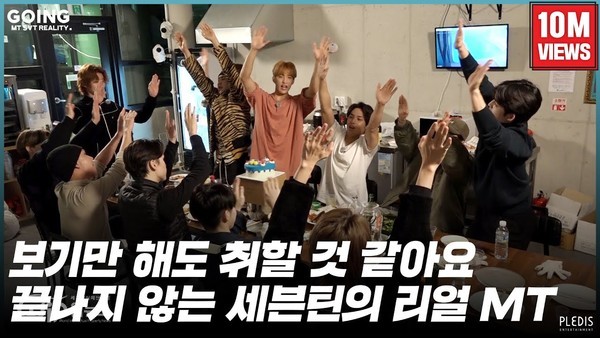
K-POP idol groups are increasingly utilizing online platforms to showcase various forms of self-produced content. This type of content refers to digital media created and distributed by the idols themselves. It may include behind-the-scenes glimpses of their daily lives not shown on mainstream broadcasts adaptations of traditional variety show formats or entirely original content unique to the idols.
Self-produced content is primarily designed for the fandom serving as a direct communication channel that allows idols to connect more intimately with their fans setting it apart from traditional variety shows aimed at a broader audience. When someone becomes a fan of a particular artist they naturally begin to consume this self-produced content.
Recently however the format of idol self-produced content has begun to gain traction as a new trend in entertainment beyond just K-POP fandoms. Unlike in the past where it was consumed exclusively within fan communities it has now garnered widespread popularity among the MZ generation (Millennials and Gen Z) drawing significant attention from both inside and outside the broadcasting industry.
SEVENTEEN the stars of Going SEVENTEEN often referred to as the Infinite Challenge of the idol world tried a new approach earlier this year with tvNs travel variety show NANATOUR with SEVENTEEN. In this project co-planned by HYBE and Egg is Coming edited versions of the show were aired on TV while directors cuts approximately 120 minutes per episode were made available on the Weverse platform. This strategy was designed to attract new fans through television broadcasts while providing existing fans with additional content such as behind-the-scenes footage effectively achieving both marketing success and fanbase consolidation. It aligns with the trends of younger audiences who prefer consuming content outside traditional TV.
In some cases YouTube-based idol variety shows that gain popularity are later broadcast on TV channels. For example aespas self-produced variety show aespaTing began airing every Thursday on Mnet starting on the 8th. aespaTing which features the members of aespa enjoying different themed parties and realizing their dreams initially gained attention when its episodes were released sequentially over eight weeks on aespa’s YouTube channel beginning in June.
It has been demonstrated that instead of fans consuming content only after becoming fans (known as deok-hwa) they often become fans after consuming this self-produced content. As a result many idol groups are currently developing their own unique self-produced content. With K-POP idols taking the reins in producing their own content there is growing anticipation for the diverse range of upcoming productions. Idol self-produced content which has evolved from merely entertaining the fandom to becoming a mainstream source of entertainment is expected to contribute to the growth of K-content. High-quality self-produced content will likely play a significant role in advancing K-content on a global scale.
Website: : http://www.wip-news.com/news/articleView.html?idxno=24669