Virtual Idols: Rapidly Emerging as a New Trend in the K-POP Market
The Plave Phenomenon and the Entry of Major Entertainment Companies The Future of the Virtual Idol Market Amid Competition with IT Companies
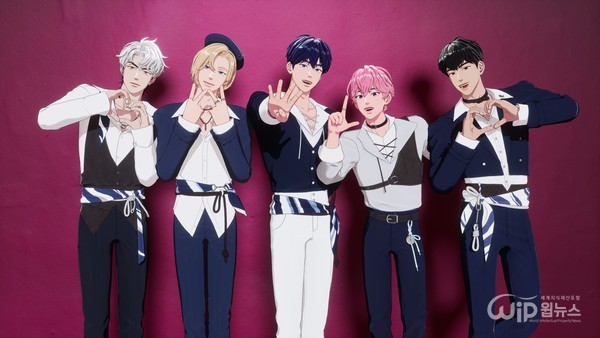
As virtual idols increasingly influence the Korean idol market they are becoming a prominent cultural trend. Plave a virtual idol group that debuted last year and sparked a phenomenon in the virtual idol market released their digital single Pump Up The Volume! on the 20th. On the day of its release the song entered the Melon Hot 100 and Top 100 charts at No. 1 and No. 6 respectively. By midnight on the 21st the single topped both charts. This marked the first time this year that a male idol group has reached No. 1 on these charts.
With the soaring popularity of virtual idols they have generated explosive interest within the K-POP market. Until now IT companies have primarily driven the virtual idol market. However as virtual idols have begun to show tangible success major entertainment companies are now actively entering the market signaling a shift in dominance from IT firms to entertainment agencies.
Plave’s agency Blast which possesses VFX (visual effects) technology created Plave using real-time graphics technology built on a game engine. Another virtual idol group Mave was produced by Metaverse Entertainment a subsidiary of Netmarble F&C through collaboration between Unreal Engine and MetaHuman Creator. Creating virtual idols requires digital technologies such as VR and VFX which IT companies have readily available giving them an initial advantage in the virtual idol market.
As success stories of virtual idols have emerged major entertainment companies have also started actively producing virtual idols entering the market in earnest. On June 27th HYBE Entertainment acquired AI audio technology company Supertone and announced the official debut of their virtual group Cyndi8 with the release of their first single album MVP. Although Cyndi8 which features 2D characters reminiscent of comic book figures did not receive as much attention as HYBEs existing artists it is considered a project to watch due to HYBE’s substantial resources.
SM Entertainment also announced the debut of their first virtual artist Naivis scheduled for September. Naivis will be introduced through SM’s Virtual IP Center featuring a flexible character that can adapt to various platforms and content formats including AI voice technology and content creation through generative AI. SM plans to expand the IP universe through collaborations with music webtoons games and various brands raising fans’ expectations.
As major entertainment companies enter the market there is growing anticipation that the virtual idol market will fully bloom. The prospect of expanding IP (intellectual property) universes is particularly exciting with expectations that companies will leverage their accumulated expertise in the entertainment industry to collaborate across genres such as music webtoons and games.
Plave which started with an initial sales volume of 75000 copies for their first single rapidly grew to record 570000 copies sold within a year of their debut securing first place on music shows and selling out fan concerts demonstrating power comparable to real-world groups. However aside from Plave there have been few notable successes in the domestic virtual artist market revealing the market’s limitations. While virtual artists present lower costs and risks for production companies and offer high potential returns building a fandom remains a significant challenge.
Despite the predictions of market transformation as major agencies launch numerous new virtual artists the difficulty of establishing a fandom remains a high barrier. According to Plave’s fan base one of the most appealing aspects of Plave is their humanity. Thus the success of virtual artists ultimately hinges on how well they can incorporate humanism. Beyond technological advancements genuine content that resonates with the public is crucial. Industry experts emphasize that differentiated content active engagement with the audience and skills comparable to those of real artists are key to success. This has led to intense focus on whether IT companies with excellent graphics capabilities or major entertainment companies with a history of producing top idols will emerge as the victors in this new market.
Website: : http://www.wip-news.com/news/articleView.html?idxno=24730