Genetic Modification of Animals and Ethical Dilemmas
The Future of Animal Genetics: New Technologies and Legal Ethical Challenges
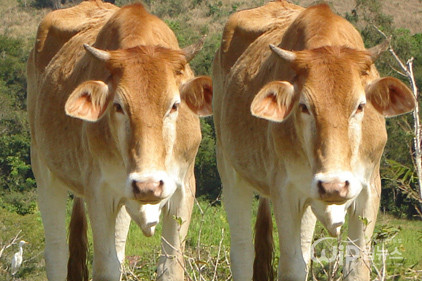
The field of animal breeding and genetics in the 21st century is rapidly evolving amidst a wave of innovation. With sequenced genomes genetically modified livestock and cloned animals becoming increasingly common this field is facing new legal economic and ethical challenges.
Since the 20th century advancements in animal breeding and genetics have played a crucial role in maximizing agricultural productivity. However the 21st century has seen a fundamental shift in approaches to animal husbandry driven by the combination of genomic information and cloning technologies.
As efforts to patent these genetically engineered breeds increase debates surrounding the application of intellectual property rights have intensified.
Researchers and companies are moving to patent their inventions and technologies with such patent protection intended to promote technology transfer and encourage innovation. However this has also raised economic legal and ethical concerns among the public.
Patents can serve not only to protect inventors but also as essential tools for promoting the dissemination of technology and enhancing public welfare.
However the patent application process is complex and maintaining a patent can be costly. Therefore revenues generated from patents should ideally be reinvested to foster future research and discoveries.
With the advent of advanced genetic engineering technologies like CRISPR-Cas9 (a precise gene-editing tool) the ability to modify animals at the genetic level has become more accurate than ever before. This technology allows for precise modifications to DNA enabling the creation of livestock with increased disease resistance which could significantly improve agricultural productivity. However it also raises serious concerns regarding animal welfare and bioethics.
For example while enhancing disease resistance through genetic modification might be seen as beneficial there is also the risk of unintended health issues arising from such alterations.
Moreover if patents are granted for specific genetically modified animals access to these technologies could be restricted potentially leading to excessive market dominance by certain companies.
Our era calls for a deeper understanding of the legal protections and ethical dilemmas associated with animal breeding to explore new paths toward sustainable agriculture and animal welfare. It is essential to closely assess the impact of scientific innovation on humans animals and the environment and to make responsible decisions based on this assessment to ensure successful advancements in the field of animal breeding and genetics.
Website: : http://www.wip-news.com/news/articleView.html?idxno=24681