The Commodification of Horses
The Economic Value of the Global Horse Industry and the Crisis of Genetic Resources
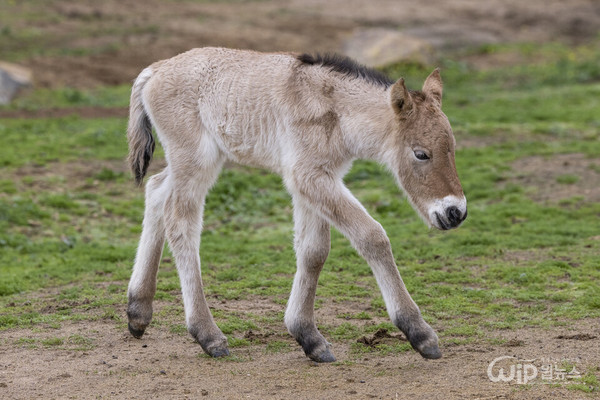
The global horse industry spans various fields including racing exhibitions and leisure forming a significant economic market. In 2023 alone this market had an economic impact of $122 billion in the United States.
The horse industry goes beyond mere sports and entertainment creating economic value in various areas such as breeding training and maintenance of racehorses. However the growth and development of this industry have also brought about serious genetic issues.
Due to stringent breeding practices many horse breeds are losing genetic diversity leading to the accumulation of genetic mutations and an increase in hereditary diseases. These genetic problems directly impact the health and vitality of horses posing a significant threat to the industry.
The native horse populations of East Asia and Southeast Asia have the potential to offer crucial solutions to these issues. Horses in these regions are rich in genetic diversity with the Przewalskis horse a surviving wild population proving its value and importance.
Przewalskis horse has gained global attention due to its genetic diversity and preserving and studying this population is essential for the future of the horse industry.
Since the Convention on Biological Diversity (CBD) came into effect in 1993 it has aimed to balance the conservation and commercialization of resources through the Access and Benefit Sharing (ABS) system. The CBD provides a framework that allows countries to maintain sovereignty over their genetic resources while utilizing these resources and fairly distributing the benefits. However many Southeast Asian countries struggle to effectively implement this system due to a lack of infrastructure and resources.
Southeast Asias horse resources hold significant value for the global horse industry as a precious resource of genetic diversity. However to protect and utilize these resources effectively a systematic ABS system needs to be established.
The ABS system focuses on managing a fair value chain and securing appropriate human resources and institutional capacities at the regional and national levels. Through such a system fair compensation and resource management can be achieved contributing to the preservation of diverse horse species in Southeast Asia.
Several key elements are required for the effective establishment of an ABS system. First components such as Prior Informed Consent (PIC) Mutually Agreed Terms (MAT) and Material Transfer Agreements (MTA) related to access to genetic resources are essential. These elements play a crucial role in ensuring mutual protection of genetic resources and fair value sharing. Additionally developing countries need to clearly identify centralized Competent National Authorities (CNAs) and establish efficient and specialized procedures to ensure the effective operation of the ABS system.
To utilize genetic resources effectively it is essential to establish ecological-geographic mapping and databases. These can be used to compile comprehensive climate ecological and geographical data on horse resources as well as phenotypic and genotypic information. This data can then be used to efficiently identify traits such as disease resistance bone density endurance and heat tolerance.
Such databases can facilitate the efficient exploration of biological resources reduce transaction costs and play a critical role in promoting global information sharing and technological cooperation.
Access to data on horse genetic resources and biodiversity should be promoted through a dedicated web-based marketing portal. The current absence of a market portal for horse GR is a major limitation of the ABS system posing a significant challenge for the industry in accessing genetic resources.
The proposed Global Biodiversity Information Facility is a data publishing framework that ensures free and open access to the worlds biodiversity data and it will play a crucial role in the management of horse genetic resources.
The management and tracking of biological resources should be carried out in a bidirectional manner and the industries of developed countries require ongoing certainty. Public-Private Partnerships (PPPs) are proposed as an effective method for long-term monitoring and compliance. These partnerships can bring substantial benefits through trust and contract-based cooperation between developed and developing countries. The importance of trust and mutual respect cannot be replaced by contracts alone as they form the foundation of a sustainable system.
The preservation and utilization of horse genetic resources require the cooperation and efforts of many countries.
Developing countries should actively engage in biodiversity through knowledge dissemination and commercialization and establishing genetic resource management agencies is important in this process.
Consideration should also be given to ensuring that the profits from genetic resources are reinvested in conservation activities.
Amid the economic value and genetic diversity crisis of the global horse industry the preservation and commercialization of horse genetic resources are essential. This can address not only humanitarian concerns but also serious economic issues.
Website: : http://www.wip-news.com/news/articleView.html?idxno=24782