Opening of the Gaya Historical and Cultural Complex ‘National Gaya History and Culture Center’
A space for managing exhibiting and educating on Gaya history research materials … Opening Ceremony (Sept. 5) Inaugural Symposium (Sept. 6) Special Exhibition (from Sept. 9)
The National Gaya Cultural Heritage Research Institute (Director: Lee Eun-seok Changwon City Gyeongnam) under the National Research Institute of Cultural Heritage will hold the opening ceremony for the ‘National Gaya History and Culture Center’ (hereafter referred to as the ‘Gaya Center’) a complex cultural space dedicated to managing exhibiting and educating on Gaya history research materials in Gimhae City Gyeongnam at 2:00 PM on September 5th.
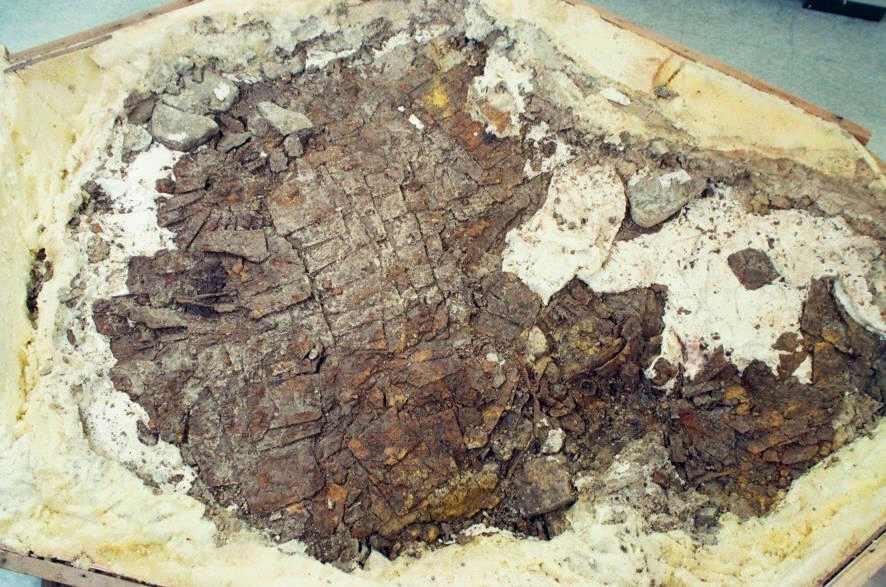
To commemorate the opening a symposium titled Unlocking the Secrets of the Horse Armor of Haman Malisan Tomb No. 8 will be held at 10:00 AM on the 6th. Additionally from 9:30 AM on September 9th a special exhibition titled World Heritage Gaya: The Breath of Horses The Echo of Iron The Memory of Tombs will be open to the public in the exhibition hall on the first floor of the Gaya Center.
Gaya Center (First Floor) Public Hours: Open weekdays from 9:30 AM to 5:30 PM starting September 9th.
The Gaya Center is a 9995.31㎡ facility with three above-ground floors and one basement level. It includes storage rooms exhibition halls an auditorium archives conservation labs and research rooms. From September 9th the general public will have access to the exhibition hall auditorium and lobby on the first floor which can be used as a rest area. Next year the second floor will gradually be opened transforming it into a Library-Lab-Museum (Larchiveum) a multifunctional cultural space that integrates knowledge exploration experience and play focusing on Gaya-related materials.
The symposium on September 6th titled Unlocking the Secrets of the Horse Armor of Haman Malisan Tomb No. 8 will feature six presentations followed by a comprehensive discussion.
The topics are as follows:
The Structure and Characteristics of the Horse Armor Excavated from Haman Malisan Tomb No. 8 (Kim Seong-ho Pusan National University Museum)
The Production Process and Characteristics of the Horse Armor and Helmet from Malisan Tomb No. 8 (Han Woo-rim & Park Young-ah National Gaya Cultural Heritage Research Institute; Im Ji-young Pusan National University Museum)
Reproduction of the Horse Armor and Helmet from Malisan Tomb No. 8 (Jang Kyung-sook Historical Content Production Co. Ltd.)
Restoration of Ancient Horse Saddles in East Asia (Lee Eun-seok National Gaya Cultural Heritage Research Institute)
Horse Armor and Beetle Decorations of the Funabaro Tomb in Koga City Fukuoka (Kamiya Masahiro Former Takai City Board of Education)
Transformation of Horse Equipment During the Late Han and Wei-Jin Periods and Its Relationship with Armored Cavalry Equipment (Li Yunhe Peking University School of Archaeology and Museology).
Through these presentations the symposium will explore the technology used to produce Gaya horse armor revealed through research on the horse armor excavated from Malisan Tomb No. 8 in 1994 and will compare and examine horse armor and horse equipment across East Asia.
Following the presentations a discussion led by Lee Eun-seok Director of the National Gaya Cultural Heritage Research Institute will take place where all presenters will engage with the audience to discuss research findings and future tasks related to the production and restoration of horse equipment in East Asia.
Horse Equipment: Refers to armor helmets and other gear used on warhorses.
Horse Gear: Includes bits saddles and stirrups used to control horses.
The symposium is open to anyone who visits the site on the day and further details can be obtained by calling ☎055-211-9022.
Meanwhile the special exhibition World Heritage Gaya: The Breath of Horses The Echo of Iron The Memory of Tombs which opens to the public on September 9th will feature materials introducing the UNESCO World Heritage Gaya Tumuli and display reproductions of the horse armor excavated from Malisan Tomb No. 8 in 1994 symbolizing Gaya’s iron production technology. Visitors can also view information on the core values excavation and unearthed relics of the seven sites of the Gaya Tumuli listed as World Heritage interviews with senior archaeologists who first participated in the excavation of the Gaya Tumuli in the 1970s and 80s and videos documenting the production process of the horse armor reproduction.
The National Gaya Cultural Heritage Research Institute plans to actively manage the Gaya Center which opens this time as a regional cultural hub and a space where the public can easily access the history and culture of Gaya. They will continue to offer diverse exhibitions experiences and academic events based on systematically integrated and managed Gaya-related materials.
Website: : http://www.wip-news.com/news/articleView.html?idxno=24909