Report Published on Improving the Performance of Traditional Lime for Cultural Heritage Restoration
National Research Institute of Cultural Heritage Releases Study on the Function of Organic Additives in Restoration Lime
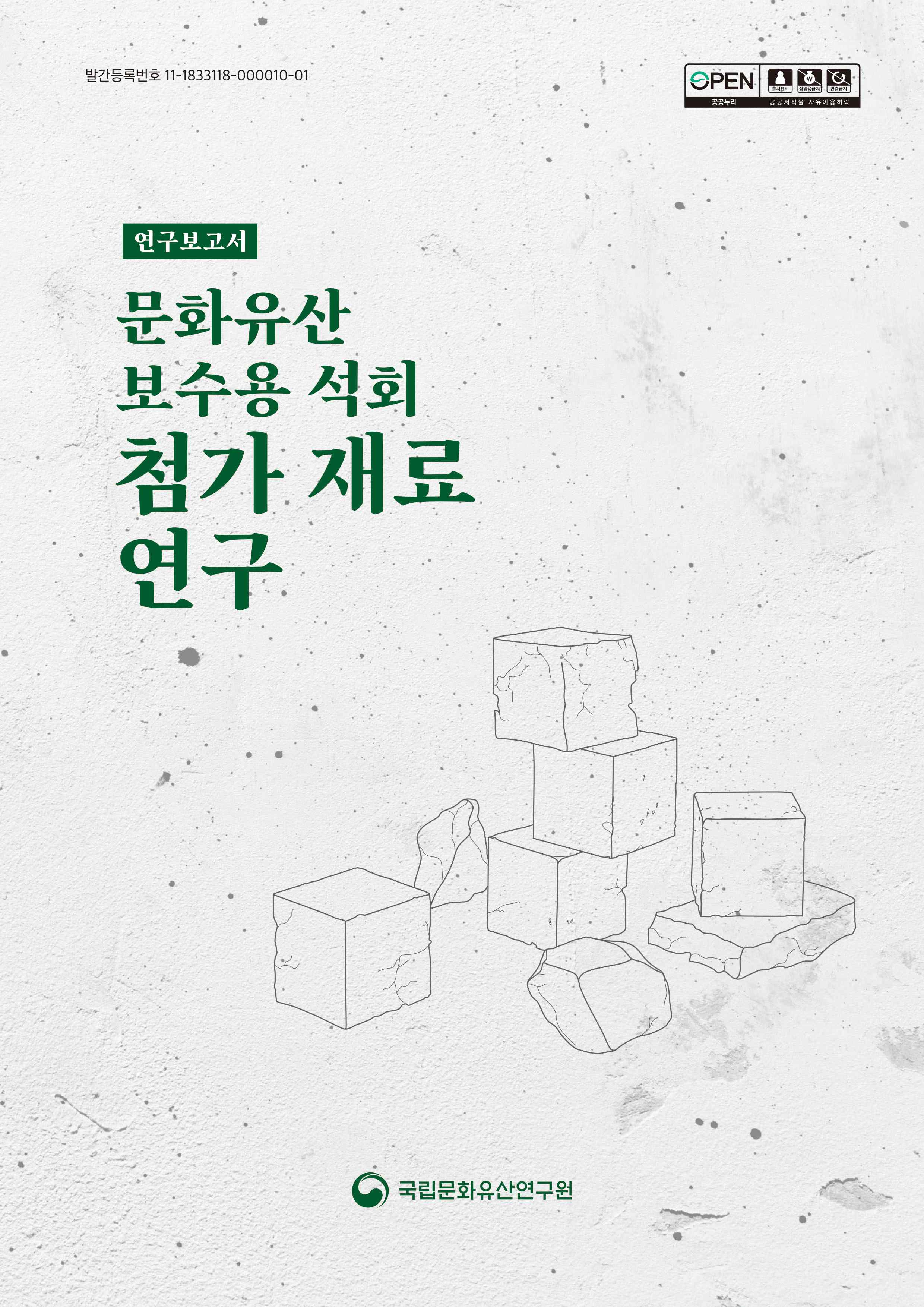
The National Research Institute of Cultural Heritage (Director Lim Jong-deok) under the Cultural Heritage Administration has published a report titled Study on Lime Additives for Cultural Heritage Restoration which investigates traditional lime techniques and explores methods to improve its performance for heritage preservation.
This report is the result of the Research on Performance Improvement of Lime for Restoration and Preservation of Cultural Heritage project initiated by the institute in 2022. Based on historical records the report identifies traditional lime techniques used in official architectural projects during the Joseon Dynasty laying foundational knowledge for applying these historical methods to modern restoration work.
Traditional lime has been a key material in architectural heritage utilized from tomb murals to foundations plastering roofing heated floors and fortress construction. However many of these traditional techniques have been lost due to modernization creating an urgent need to rediscover and enhance lime application methods. The institute’s research focused on understanding the roles of organic additives—jookmi beomyu and hyuji—used in traditional lime as documented in historical records.
Jookmi: Known in records as gyomi jeommi or jinmal this additive used glutinous rice flour.
Beomyu: Known as beomyu imyu or soja oil it involved the use of perilla oil.
Hyugi: Documented as hyuji or sukma this additive utilized paper pulp (raw material for paper-making).
The study revealed that organic additives prevent shrinkage due to initial moisture loss during the drying process contributing to the structural stability of traditional lime. They also improve lime’s performance through interactions with the material. Specifically beomyu was found to enhance water resistance and durability while hyuji prevents damage and strength degradation in freeze-thaw conditions.
Traditional lime gradually strengthens over a long curing period gaining structural stability over time. However adding organic additives was shown to enhance strength even in the early curing stages.
Freeze-thaw: The process in which moisture within soil or building materials freezes and thaws.
Curing: The process of maintaining moisture and protecting concrete until it hardens to prevent freezing and damage.
The report including these findings is available to the public on the Cultural Heritage Administration’s website (www.khs.go.kr) and the National Heritage Knowledge Portal of the National Research Institute of Cultural Heritage (https://portal.nrich.go.kr/).
The National Research Institute of Cultural Heritage hopes that this report will promote the active use of traditional lime in the restoration and preservation of cultural heritage. The institute plans to continue sharing research on traditional materials and techniques with the public and professionals in the field.
Website: : http://www.wip-news.com/news/articleView.html?idxno=26112