In the AI Era the Role of Artists Remains Vital
What Is Good Art? Professor Jinjoon Lees Question and Answer In an Era of AI and Capital Artists Deliver Messages of Reflection
A Stage for Groundbreaking Innovation - G-Artience 2024 Connecting Week
An event breaking away from traditional formalities—no VIP seats no formal introductions no ceremonial speeches. Instead it offers a stage of innovation and fusion.
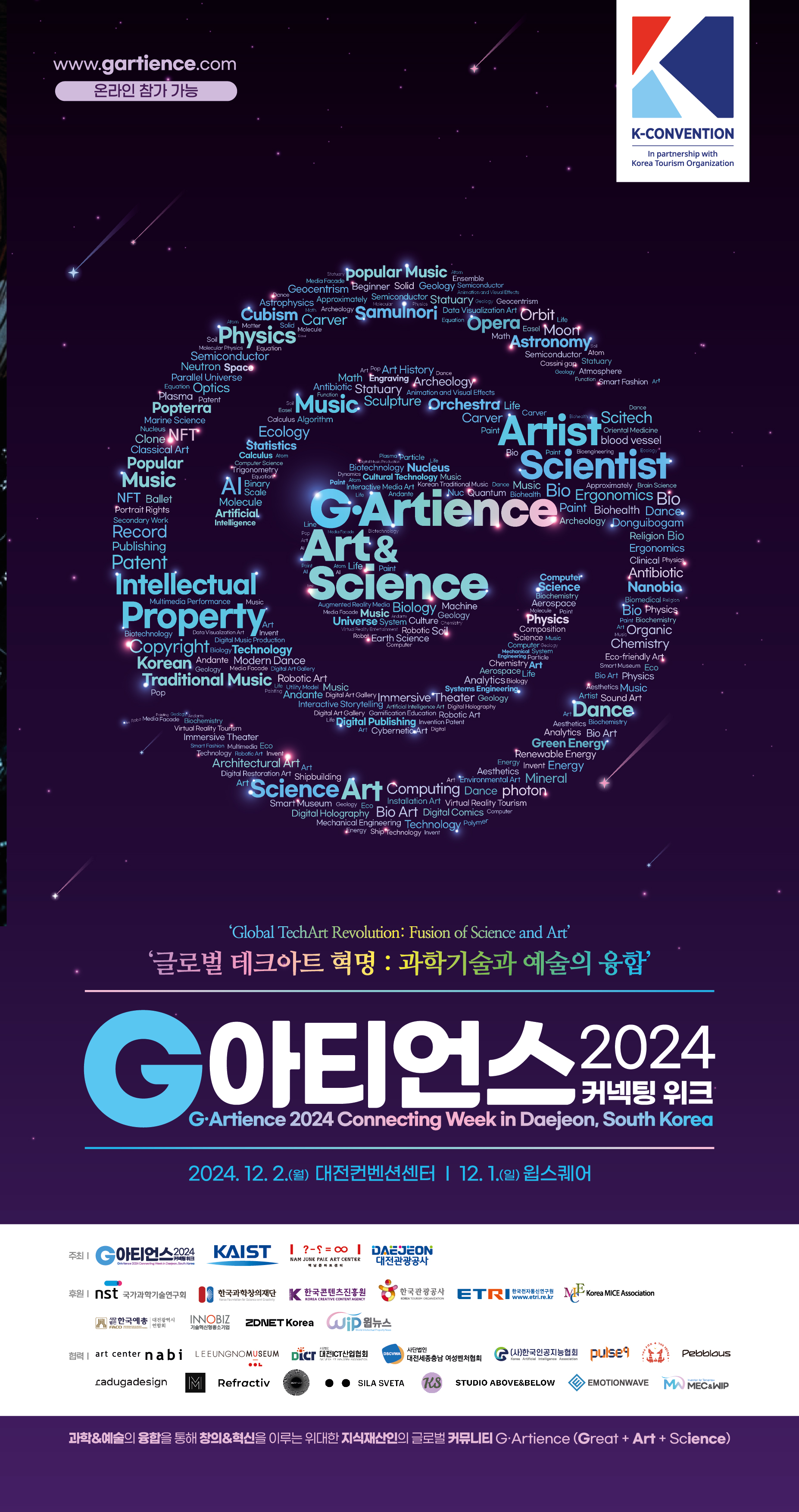
From December 1 to 3 the G-Artience 2024 Connecting Week will take place at the Daejeon Convention Center and WIP Square. This international event aims to integrate science technology and cultural arts. Co-hosted by KAIST the Nam June Paik Art Center and the Daejeon Tourism Organization the event embodies a mission to evolve into a global hub for TechArt through creative innovation and convergence.
Far beyond a mere celebration this event aspires to be the starting point for designing the future through the fusion of science technology and art. With global attention G-Artience 2024 Connecting Week is poised to establish South Korea as a leading hub for TechArt.
What Does the Emergence of AI in Artistic Expression Mean?
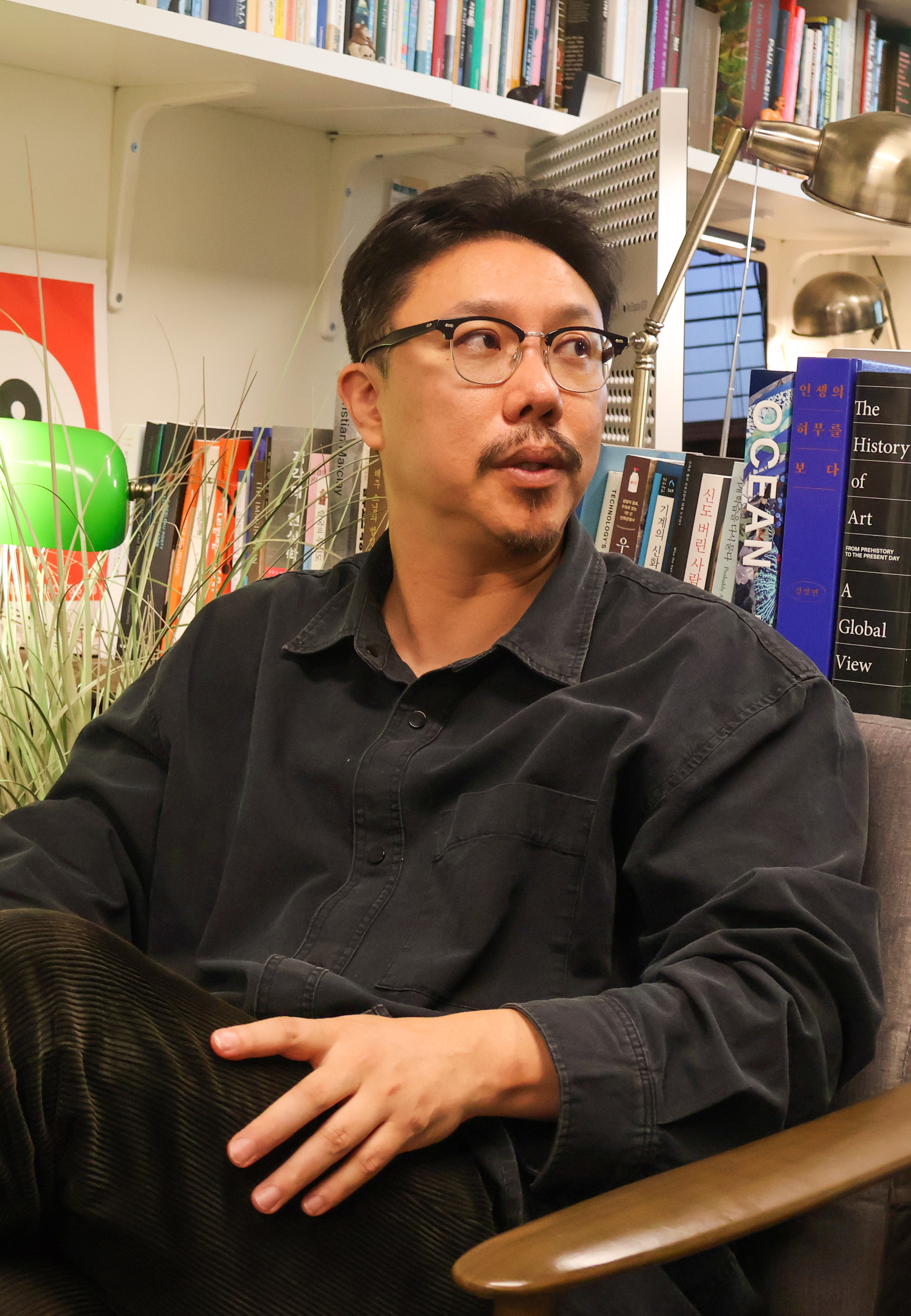
“It’s not surprising at all; it’s something that has always repeated itself” said Jinjoon Lee professor at KAIST’s Graduate School of Culture Technology without a moment’s hesitation.
For artists artificial intelligence is merely a new and useful tool. In fact the advent of mass-produced paper might have had a greater impact. Professor Lee suggests that the question “What changes will the fusion of science technology and culture bring?” is fundamentally flawed. He illustrated this by referencing combat sports: as the search for the ultimate fighter evolved from boxing to taekwondo to wrestling it eventually led to UFC as a convergence of disciplines.
Instead he proposed a more meaningful question: “What is good art?” Science and technology merely expand the tools available for creating good art. In a civilization where information and knowledge flow at unprecedented speeds influenced by capital manipulated by the few and increasingly fraught with negative impacts what is the role of the artist?
Artists are those who pause to ask whether society is moving in the wrong direction. Are we excessively subjugated to the rule of capital? Is the relentless pace of progress consuming the beauty of humanity too quickly? These reflective individuals Professor Lee argues are the artists of our time.
Artists as Guardians of Reflection
In Professor Lee’s view artists are among the few professionals who can stand against the world as a whole. While they may not have the power to entirely change the capital-driven course of society they can prompt moments of pause and reflection. “Artists have the power to make us reconsider the direction we’re heading” he asserts.
At the boundaries of society artists often find themselves at the forefront with no precedent to guide them. In such instances they must rely on their intuition experience and values. Regardless of advancements like artificial intelligence—or whatever comes next—the essence of art and the role of the artist according to Professor Lee are unlikely to change.
A Message of Timeless Purpose
Professor Lee’s insights remind us that even in an age dominated by AI and capital the role of the artist remains one of resistance reflection and reawakening. It is a call to maintain humanity amidst rapid technological and social change.
“Breaking the Mold with Science and Cultural Arts: A Revolutionary Event Begins”
The event aims to revolutionize K-TechArt as a global TechArt hub.
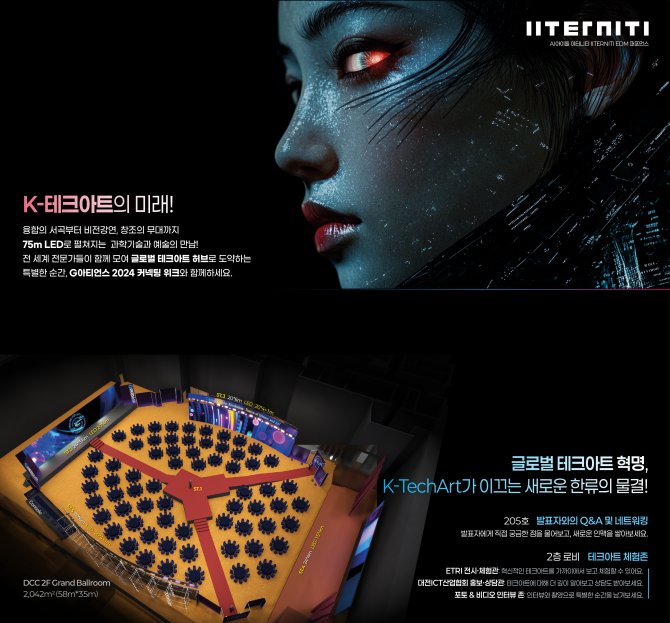
From the 75-meter LED screen showcasing a symphony of convergence to visionary keynote speeches and stages of creation attendees will experience the awe-inspiring union of science and art. Highlights include AI avatar dance performances EDM shows by virtual idols and a collaborative design of TechArts future by experts from 13 countries. These features will illustrate South Koreas pioneering strides toward the global stage.
Website: : http://www.wip-news.com/news/articleView.html?idxno=26281