Discovering the Lives of Silla People through Pollen and Parasite Eggs in Ancient Sites
Academic Conference on Exploring the Living Environment of Silla People through Microscopy Held on July 11 at Hilton Hotel Gyeongju
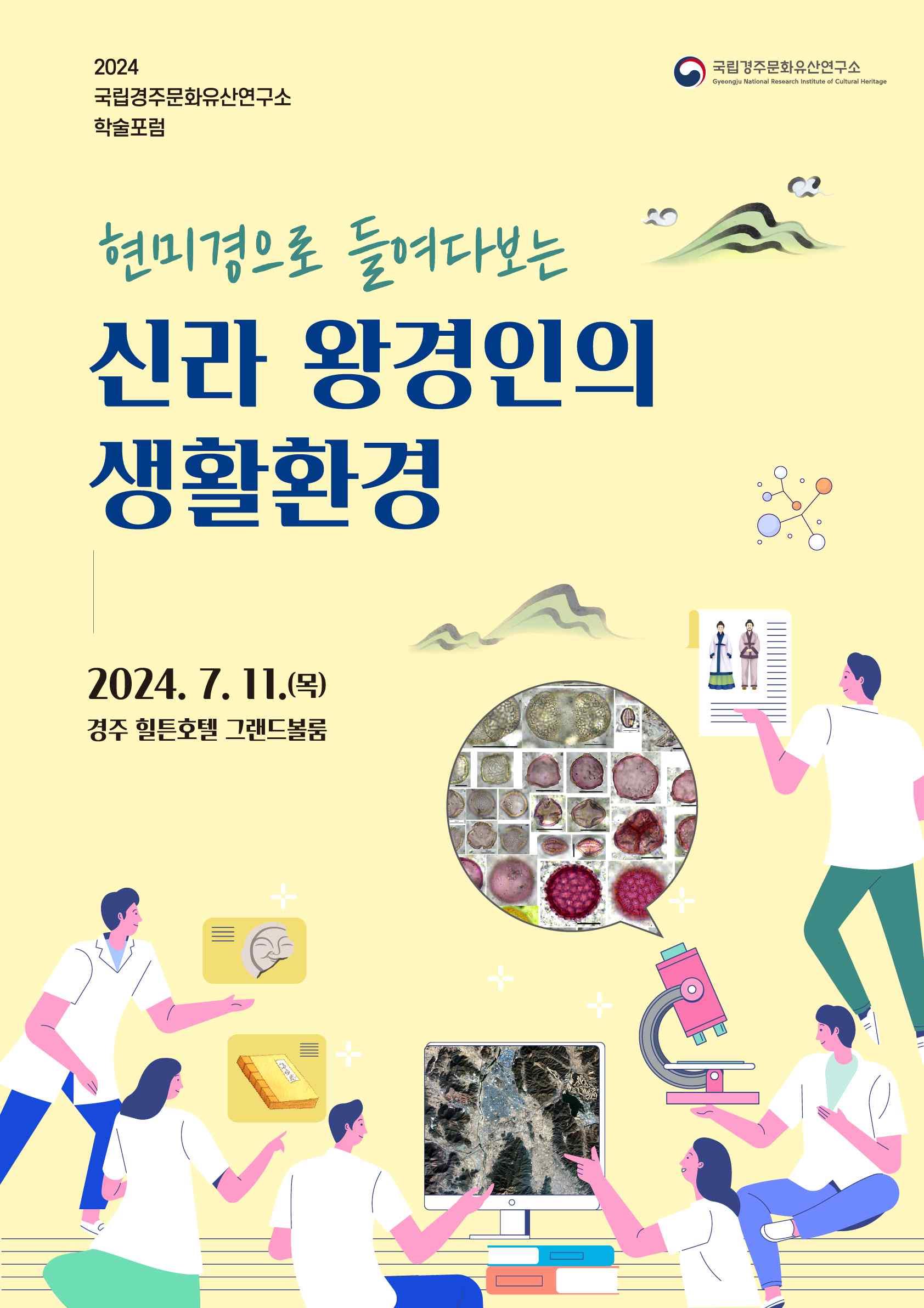
The National Research Institute of Cultural Heritages Gyeongju Center (Director Hwang In-Ho) under the Cultural Heritage Administration will host an academic conference titled Exploring the Living Environment of Silla People through Microscopy on July 11 at the Hilton Hotel in Gyeongju. The conference aims to shed light on the lifestyle and culture of Silla capital residents using microscopic evidence from archaeological sites.
The event will delve into invisible micro-evidence such as pollen phytoliths and parasite eggs to understand the daily lives of Silla inhabitants. The conference is divided into two parts: morning presentations focusing on historical literature and afternoon sessions presenting actual analysis cases.
In the morning session presentations will include:
Diseases and Treatments during the Unified Silla Period by Lee Hyun-Sook (Yonsei University) discussing the evolution of prevalent diseases and treatments based on historical records.
Forest Clearing in the Silla Capital and Its Significance by Seo Min-Soo (Kyungdong University) exploring how forest clearing impacted the lives of Silla capital residents.
In the afternoon session the focus will shift to scientific analyses with presentations such as:
Ancient Urban Environment and Lifestyle through Phytoliths by Lee Jin-Ok (Seoul National University) examining plant remains in the soil.
Paleoparasitological Studies on Ancient Korean Cities by Oh Chang-Seok (Eulji University) analyzing parasite eggs in soil to infer past diseases and living conditions.
Research Outcomes and Challenges of the Silla Capitals Environment and Lifestyle through Microfaunal and Floral Evidence by Ahn So-Hyun (National Gyeongju Research Institute of Cultural Heritage) highlighting findings from pollen and parasite egg studies in the Gyeongju area.
Following the presentations a comprehensive discussion led by Professor Lee Joon-Jung of Seoul National University will take place. Participants including Cultural Heritage Committee Chairman Kang Bong-Won and Korean Archaeological Society President Lee Sung-Joo along with the presenters will discuss the living environment of the Silla people and future research directions based on the findings.
The National Gyeongju Research Institute of Cultural Heritage plans to continue promoting interdisciplinary research to analyze and disseminate the value of Gyeongjus cultural heritage from various perspectives and share the results with the public.
Website: : http://www.wip-news.com/news/articleView.html?idxno=24177